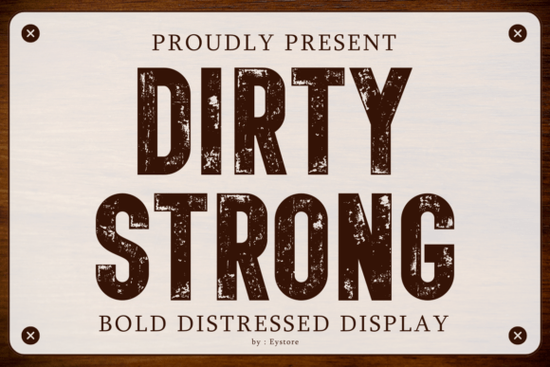
If you're working on a t-shirt design, streetwear branding, or packaging project that needs a worn-in, industrial look, Dirty Strong Font is worth a closer look. It's a bold, distressed sans-serif typeface built for projects that call for rugged texture and heavy visual weight. The gritty, eroded letterforms give your text a weathered, hand-stamped appearance straight out of the box no extra editing required. Whether you sell on print-on-demand platforms or design for local businesses, this font handles bold display work really well.
What Gives This Font Its Gritty Texture?
The distressed effect on each character isn't a generic noise filter. The rough, uneven edges on every letterform look like they've been worn down over time think old warehouse signage, vintage factory stencils, or faded shipping labels. That kind of detail adds instant authenticity to your layout.
Because it's a sans-serif display font, it stays readable even at larger sizes where the texture really shows. The bold weight keeps things punchy, while the eroded surface prevents it from feeling too polished or digital. It strikes a nice balance between raw and professional.
Who Should Use a Distressed Display Font Like This?
This typeface works well for a range of creatives, but some projects are an especially good match:
- T-shirt and apparel designers especially those working on men's streetwear, workwear, or vintage-inspired collections
- Print-on-demand sellers who need standout typography for mugs, tote bags, and posters
- Coffee roasters and craft brands looking for packaging that feels handmade and textured
- Automotive and motorcycle shops that want bold poster or banner lettering with a mechanical edge
- Small business owners creating warehouse signage, logos, or branded merchandise
If your audience responds to masculine, strong, and slightly rough aesthetics, a font like this fits naturally into your toolkit.
What Kinds of Projects Does It Work Best For?
Distressed display fonts tend to shine in specific design contexts. Here are some practical uses where Dirty Strong really delivers:
- T-shirt typography Pair it with minimal graphics for a clean streetwear look, or layer it over vintage illustrations for a retro feel.
- Logo design Works especially well for brands in outdoor gear, fitness, craft beer, or automotive industries that want a rugged identity.
- Coffee and food packaging The textured lettering complements kraft paper, recycled cardboard, and earthy color palettes.
- Event posters and banners Bold enough to read from a distance, textured enough to feel handmade.
- Social media graphics The heavy weight and distressed surface grab attention in crowded feeds.
One thing to keep in mind: because the texture is baked into the letterforms, you don't need to add grunge overlays or distress filters separately. That saves time, especially when you're producing multiple mockups or variations.
How Does It Compare to Other Display Fonts?
Creative Fabrica has a large library of display fonts, each suited to different moods and projects. If you're building a versatile font collection, it helps to compare styles side by side.
For example, a playful hand-drawn display typeface like Oopsy Doodle works great for kids' products, party invitations, or lighthearted branding. It has a completely different energy bouncy, fun, and informal. On the other hand, a retro groovy display font such as Summer Groovy leans into 70s-inspired curves and psychedelic vibes, making it a solid pick for festival posters or surf brand logos.
Dirty Strong sits on the opposite end of that spectrum. It's serious, bold, and industrial. You wouldn't use it for a children's birthday card but for a motorcycle shop logo or a craft brewery label, it's exactly right.
Tips for Working With Bold Distressed Fonts
Getting the most out of a textured typeface takes a little thought. Here are a few things I've picked up from working with similar fonts:
- Keep your layout simple. A distressed font already has a lot of visual texture, so pairing it with busy backgrounds or too many graphic elements can make things feel cluttered.
- Use high contrast colors. Dark text on a light background (or vice versa) lets the texture details come through clearly.
- Don't shrink it too small. Display fonts like this are designed for headlines and large text. At small sizes, the distressed details can turn muddy and hard to read.
- Pair it with a clean body font. If you need secondary text, use a simple sans-serif or serif font for body copy. Let the bold display type do the heavy lifting.
- Test at actual size. Always preview your design at the size it'll be printed or displayed what looks great on a 27-inch monitor might look different on a tote bag.
These small adjustments can make a big difference in the final result, whether you're designing for screen or print.
Quick Checklist Before You Buy
Before adding any new font to your collection, it's worth running through a few basics:
- Check that the license covers your intended use especially for commercial projects like print-on-demand or client work.
- Review the character set to make sure it includes the glyphs, numbers, and punctuation you need.
- Download the file format compatible with your design software (TTF, OTF, or WOFF for web use).
- Test the font in a quick mockup before committing to a full design this helps you see how the texture looks in context.
- Consider browsing the full product page for additional previews and details about supported languages.
Next step: If you're building out a font library for apparel design or brand identity work, start by collecting two or three display fonts in different moods one bold and rugged, one playful, and one retro. That gives you a solid foundation for a wide range of client and personal projects without feeling limited.
Learn More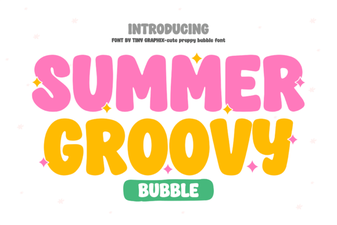 Summer Groovy Font: Retro Vibes for Creative Design
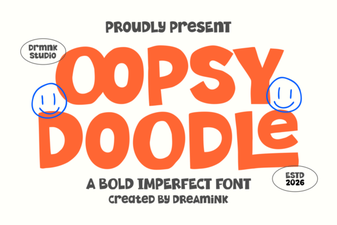 Oopsy Doodle Font: Playful Handwritten Style for Creative Projects
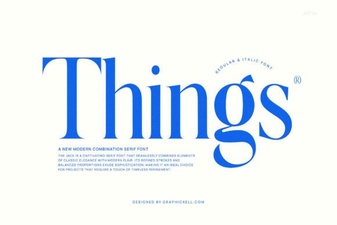 Exploring Things Font for Creative Design Projects
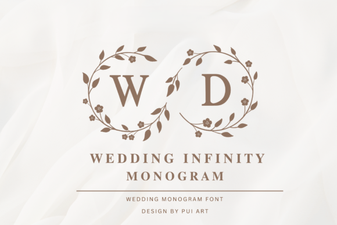 Elegant Wedding Infinity Monogram Font for Romantic Designs
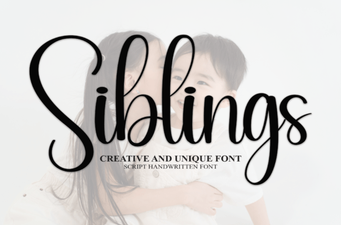 Siblings Font: a Versatile Typeface for Creative Projects
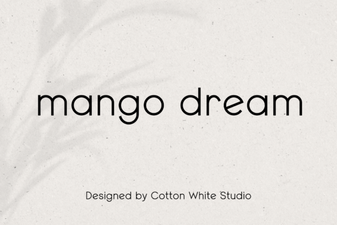 Mango Dream Font – Free Sans Serif Display Font Download